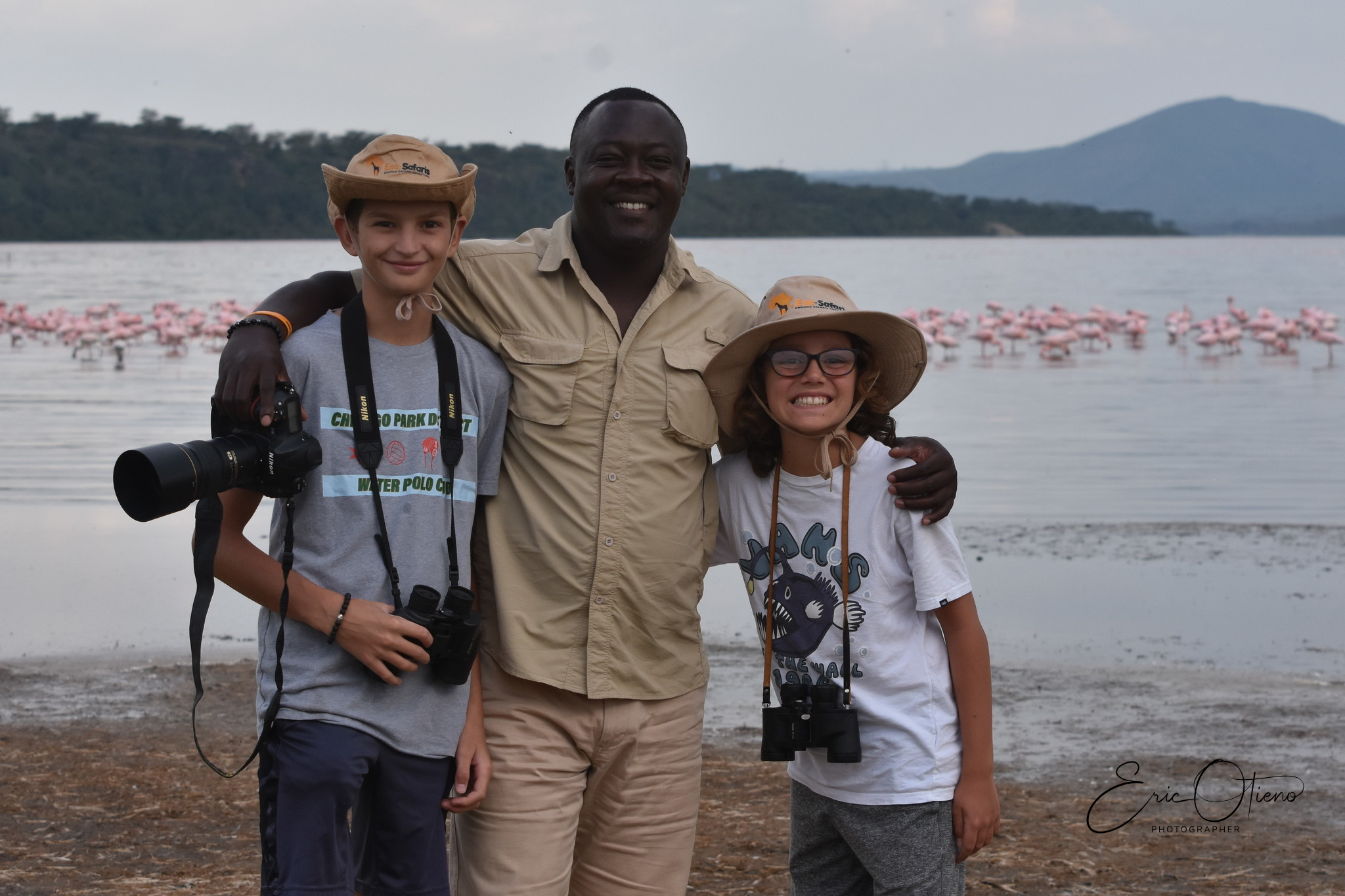
Pack for the conditions you will actually meet in the vehicle, not for a staged safari photograph. For an early game drive, carry a warm layer, a light windproof or waterproof jacket, a hat, sunglasses and sunscreen. Temperatures can feel cold before sunrise and much warmer a few hours later.
What should I pack for tomorrow’s game drive?
Wear comfortable neutral-coloured clothing and closed shoes. Keep binoculars, camera gear, drinking water, insect repellent, personal medication and a small amount of cash in a day bag that stays with you. Avoid overpacking the vehicle with a large backpack if your main luggage is already stored elsewhere.
If rain is possible, protect cameras separately rather than relying only on the vehicle roof. Charge batteries the night before and keep one spare accessible. The best packing list is simple: layers, sun protection, water, essential medication and the equipment you genuinely know how to use.
Are there any safety rules I should know for my Safari?
The most important safari safety rules are simple: follow the guide's instructions, remain in the vehicle unless you are told it is safe to get out, keep noise low around wildlife and never feed or try to attract animals.
When the roof is open, stand only when the guide says it is appropriate and watch for branches. Keep hands and equipment inside when an animal is close. Do not walk around a camp at night without following the property's escort procedure, especially in unfenced areas.
Safety also includes ordinary travel habits: use drinking water recommended by the lodge or guide, protect yourself from sun and insects, carry personal medication and tell the team about a serious medical condition before the activity begins. A safari is safest when guests treat the briefing as part of the experience rather than as a formality.
What’s the weather usually like this time of my visit?
Safari weather can change noticeably within one day. Early mornings may be cool enough for a fleece, while midday can be hot and sunny. Rain can arrive as a short shower or a longer system depending on the season and region.
The exact answer depends on where you are travelling. Nairobi and highland areas are cooler than the coast; Samburu and Turkana can be much hotter; Uganda's forest regions are humid and can receive rain in any month. Even within one safari, you may move through several climate zones.
Check the destination-specific forecast shortly before each travel day, but pack in layers rather than trying to predict every hour. Your guide will also adjust game-drive timing and routes when local conditions change.
Prepare for ordinary problems before they become urgent
Carry personal medication, suitable insurance, copies of important documents and the contact details provided for the trip. Keep essential information available offline.
Travel through remote areas can take time, so a sensible medical kit and honest disclosure of relevant health needs are part of good preparation, not a sign that something is expected to go wrong.
Before you book or travel
- Carry suitable travel insurance and personal medication.
- Keep copies of important documents and trip contacts available offline.
- Tell ESA Safaris about mobility or medical needs that could affect the itinerary.
- Follow the guide, ranger or activity operator when conditions require a change of plan.
Frequently Asked Questions
Should I tell ESA Safaris about a medical condition?
Yes, when it may affect the itinerary, mobility, diet or emergency planning. Share relevant information early and carry the medication and medical advice you need.
Is safari travel safe for first-time visitors?
Safari travel is routinely undertaken by first-time visitors, but it still requires sensible behaviour. Follow guides, use reputable operators and prepare for the activities in your itinerary.
Should I buy travel insurance?
Comprehensive travel insurance is strongly recommended. Check medical cover, evacuation, cancellation and the activities included in your trip.
What should I do in an emergency?
Use the operational contacts supplied for the trip and follow the guide, property or emergency service handling the situation. Keep important numbers available offline.
Plan this experience with ESA Safaris
Use ESA Safaris to plan the route around the traveller, not the other way around. Share any safety or accessibility concern before bookings are fixed so it can be addressed properly.