
Nocturnal Animals You Might See on Safari
Seeing nocturnal wildlife depends on whether night drives are permitted in the specific park, conservancy or concession.

Seeing nocturnal wildlife depends on whether night drives are permitted in the specific park, conservancy or concession.
Yes. Learn what affects sightings and how to plan a responsible wildlife safari. Plan with ESA Safaris.
Daily movement varies enormously by species, season and purpose. Learn what affects sightings and how to plan a responsible wildlife safari.
Many animals are active at night because darkness helps them manage heat, avoid predators, hunt more effectively or reduce competition.
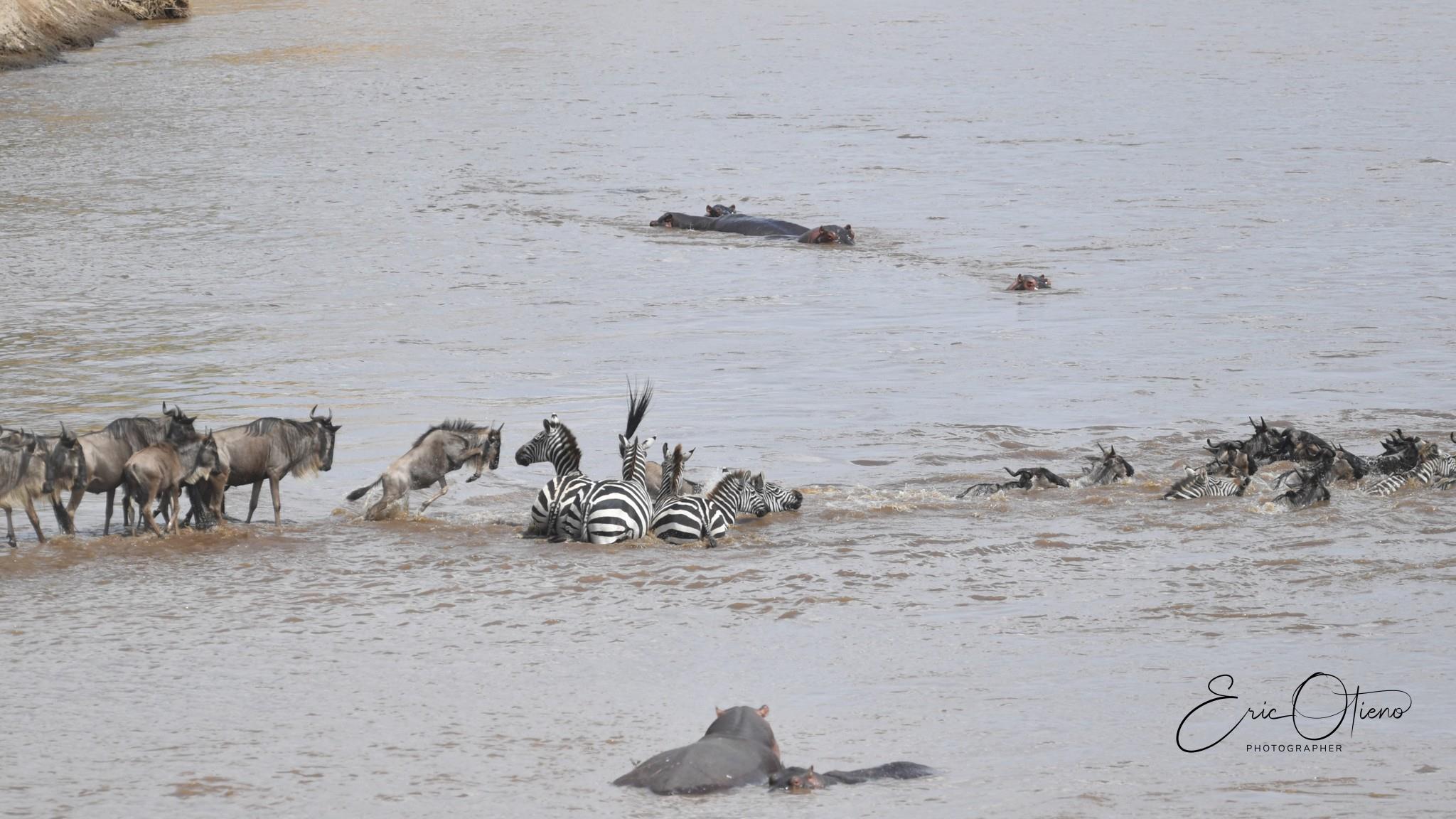
Zebras and wildebeest often benefit from feeding and moving in the same areas because they use grass differently and together create more eyes and ears for.
Yes, hearing wildlife at night is part of the atmosphere of many safari camps. Learn what affects sightings and how to plan a responsible wildlife safari.
Some safari camps are fenced and others are intentionally unfenced. Learn what affects sightings and how to plan a responsible wildlife safari.
Animal rescue programmes exist in some destinations, but their role differs from the work of a national park or conservancy.
Some of the most rewarding safari moments are behavioural rather than rare. Learn what affects sightings and how to plan a responsible wildlife safari.
Professional guides manage risk by preventing a situation from becoming dangerous in the first place. Learn what affects sightings and how to plan a.
