
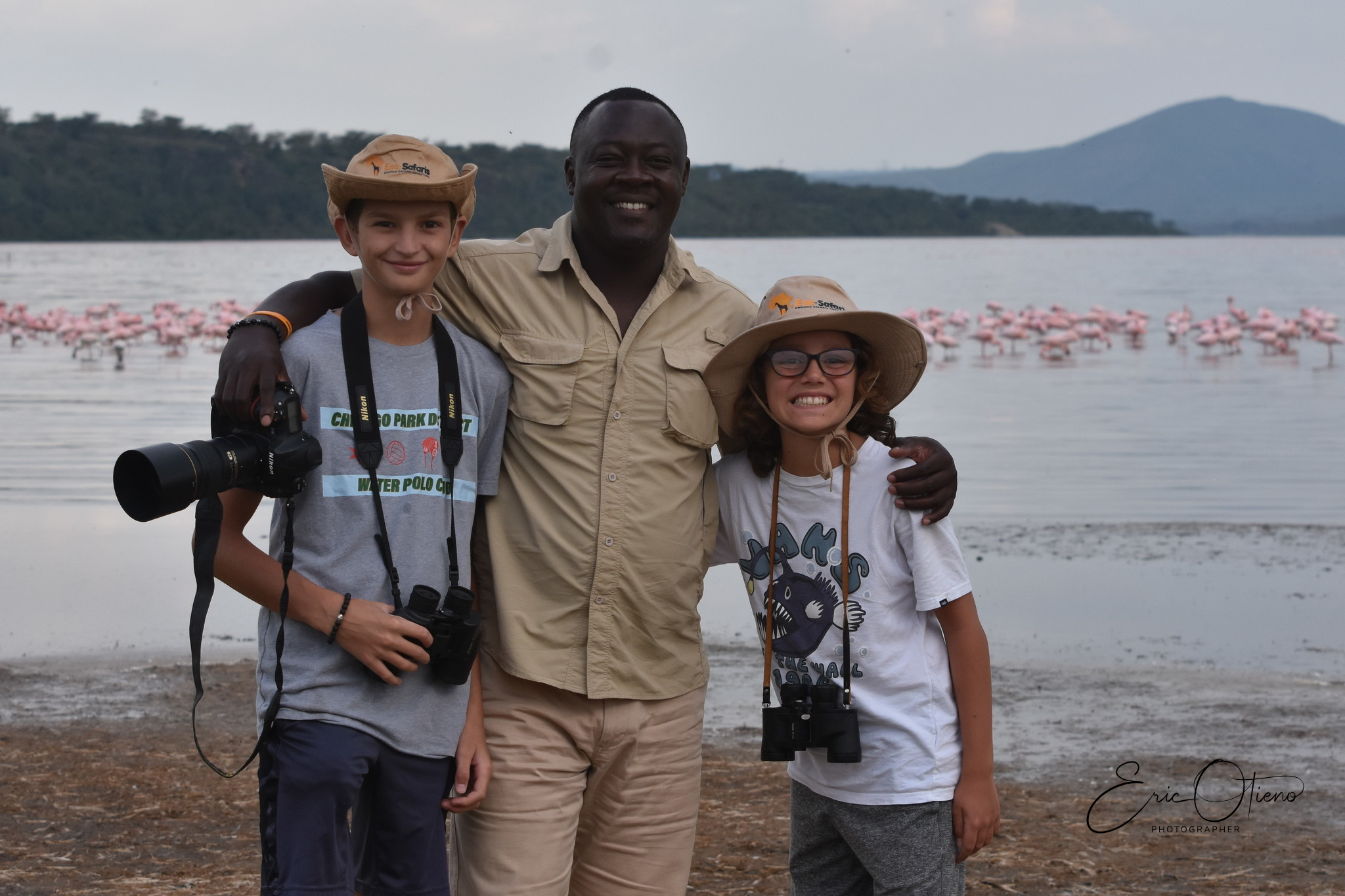
Walking alone is safe in some urban or resort settings and inappropriate in others. In wildlife areas, guests should never walk outside designated places without permission.
Is it safe to walk alone?
Safety depends on the exact place, time and activity. Established safari routes and major tourism areas receive large numbers of visitors, but normal precautions still matter.
Follow local advice, use arranged transfers after dark where appropriate, keep valuables discreet and do not walk in wildlife areas without permission. Solo travellers should understand the difference between being alone in a resort area and walking alone near a park, beach access point or unfamiliar urban district.
For camping, wildlife management and camp rules are critical. Stay within designated areas and follow staff instructions, especially after dark.
Is camping safe?
Safety depends on the exact place, time and activity. Established safari routes and major tourism areas receive large numbers of visitors, but normal precautions still matter.
Follow local advice, use arranged transfers after dark where appropriate, keep valuables discreet and do not walk in wildlife areas without permission. Solo travellers should understand the difference between being alone in a resort area and walking alone near a park, beach access point or unfamiliar urban district.
For camping, wildlife management and camp rules are critical. Stay within designated areas and follow staff instructions, especially after dark.
Prepare for ordinary problems before they become urgent
Carry personal medication, suitable insurance, copies of important documents and the contact details provided for the trip. Keep essential information available offline.
Travel through remote areas can take time, so a sensible medical kit and honest disclosure of relevant health needs are part of good preparation, not a sign that something is expected to go wrong.
What this means for your itinerary
Camping can be safe when it is in a managed site with clear wildlife and security procedures.
Ask the guide or accommodation about the specific area, especially after dark.
Rules can change by activity and location
A beach, forest trek, national park and city excursion do not carry the same risks. Follow the rules of the place you are actually visiting.
When a safety detail matters to your decision, ask ESA Safaris to confirm the current arrangement for the exact supplier or destination in the itinerary.
Before you book or travel
- Carry suitable travel insurance and personal medication.
- Keep copies of important documents and trip contacts available offline.
- Tell ESA Safaris about mobility or medical needs that could affect the itinerary.
- Follow the guide, ranger or activity operator when conditions require a change of plan.
Frequently Asked Questions
Should I tell ESA Safaris about a medical condition?
Yes, when it may affect the itinerary, mobility, diet or emergency planning. Share relevant information early and carry the medication and medical advice you need.
Is safari travel safe for first-time visitors?
Safari travel is routinely undertaken by first-time visitors, but it still requires sensible behaviour. Follow guides, use reputable operators and prepare for the activities in your itinerary.
Should I buy travel insurance?
Comprehensive travel insurance is strongly recommended. Check medical cover, evacuation, cancellation and the activities included in your trip.
What should I do in an emergency?
Use the operational contacts supplied for the trip and follow the guide, property or emergency service handling the situation. Keep important numbers available offline.
Make the itinerary fit the traveller
Use ESA Safaris to plan the route around the traveller, not the other way around. Share any safety or accessibility concern before bookings are fixed so it can be addressed properly.


