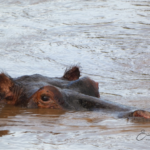
Safari guides track wildlife by combining fieldcraft, recent information and an intimate knowledge of the landscape. Tracks in dust or mud can reveal the species, direction of travel and sometimes how fresh the movement is. Fresh dung, broken vegetation, scrape marks and scent-marking sites add further clues.
Can guides track animals?
Sound matters just as much as footprints. Impala, baboons, birds and other animals give alarm calls when they detect predators. A sudden change in the behaviour of prey animals can be more useful than driving quickly from one known sighting to another. Guides also learn where animals tend to rest at different times of day, where water remains in dry periods and which territories are used by resident predators.
Radio communication can help guides share significant sightings where park or conservancy rules allow it, but good guiding is not simply following other vehicles. The strongest guides continue reading the environment and make independent decisions. That is particularly important when a guest has a specific interest such as birds, animal behaviour or photography.
No tracking method guarantees a sighting. Wildlife moves for its own reasons. The guide's job is to improve the chances, interpret what is happening and keep the experience respectful and safe.
Habitat often explains what you see
Open grassland, riverine forest, wetlands and dry bush support different animals. That is why the same species may be common in one area and difficult to find in another.
When wildlife is a major priority, tell ESA Safaris which species or behaviours interest you. The route can then be designed around suitable habitats and seasons without promising a sighting that nature cannot guarantee.
Good sightings begin with respectful distance
An ethical safari does not require crowding an animal. The guide should position the vehicle within the rules of the destination and allow the animal room to move.
Longer lenses, patience and good fieldcraft produce better experiences than pressure for a dangerously close photograph. Guests should follow the guide's instructions when an animal changes direction or approaches the vehicle.
Before you book or travel
- Tell ESA Safaris which species or behaviours interest you most, while keeping expectations realistic.
- Ask how much time the itinerary allows in the wildlife area, not only how many destinations it names.
- Pack binoculars if you enjoy observing behaviour rather than relying only on the guide's equipment.
- Follow the driver-guide's decisions on distance, positioning and when to move on.
Frequently Asked Questions
Do binoculars make a difference?
Yes. Binoculars help with birds, distant animals and behaviour that is easy to miss with the naked eye, even when you also carry a camera.
Are wildlife sightings guaranteed?
No. A responsible safari operator cannot guarantee a wild animal. Guides improve the chances through local knowledge and fieldcraft, but weather, habitat and animal movement still matter.
Is an early game drive always better?
Early morning is often productive because temperatures are cooler, but good sightings can happen at any time. The best schedule depends on the destination and conditions.
Can I ask the guide to move closer?
You can explain what you hope to see or photograph, but the driver-guide decides the safe and permitted distance. Wildlife welfare and park rules come first.
Use the details to plan the right route
Share your travel dates and wildlife priorities with ESA Safaris. A well-planned route can improve the quality of your game-viewing time while keeping expectations honest and responsible.