
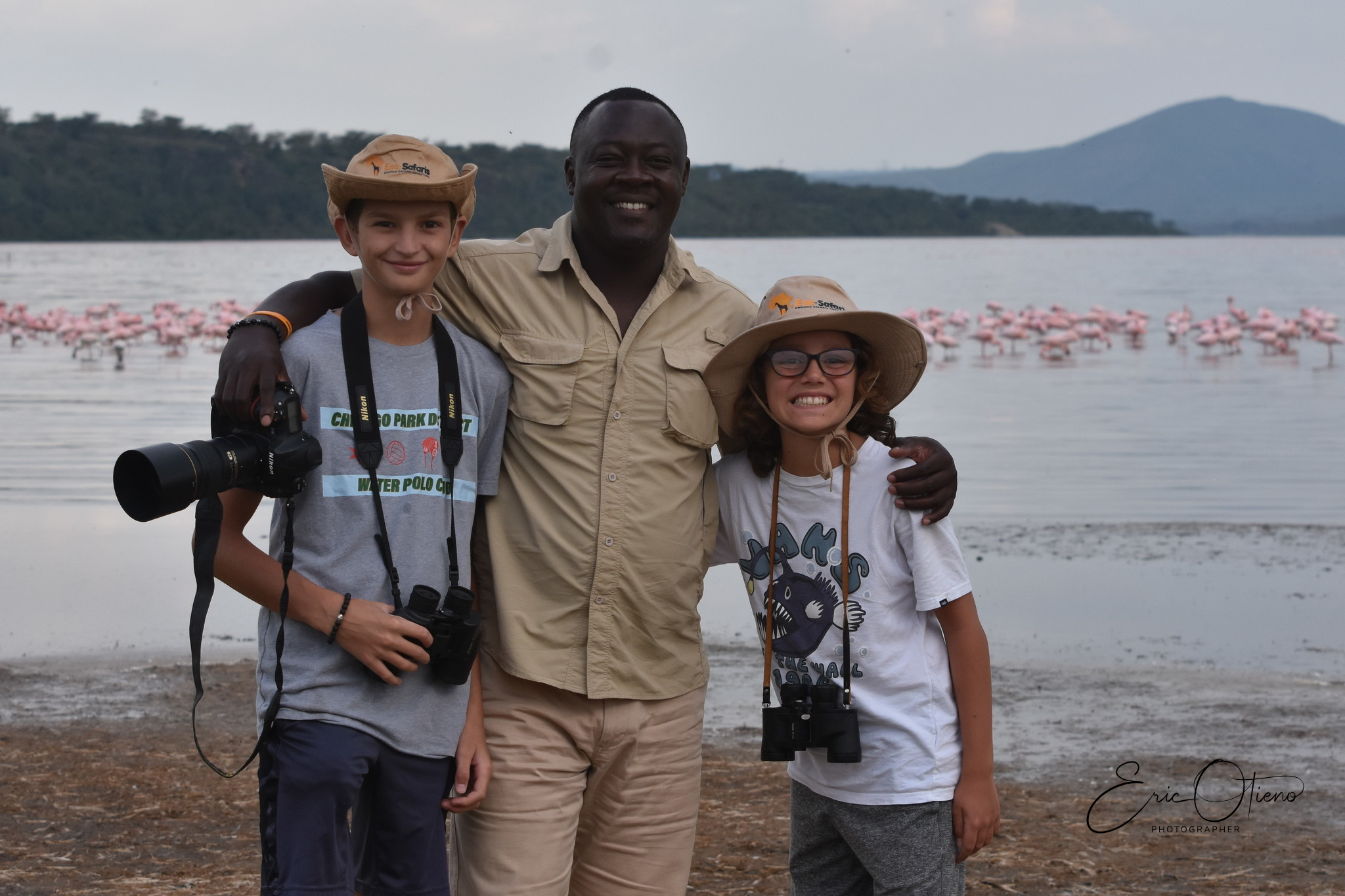
Altitude sickness is mainly a concern on high-elevation trekking itineraries, not on most ordinary game drives.
Is altitude sickness a concern?
Altitude sickness is mainly a concern when an itinerary involves significant elevation, especially mountain trekking. Most classic savannah safaris do not involve the same risk as climbing Mount Kenya or Kilimanjaro.
Some highland destinations can still leave a traveller feeling breathless if they arrive from sea level, but severe altitude illness is not expected simply because you are on a game drive.
If your itinerary includes high-altitude hiking, get specific medical advice and allow for acclimatisation.
Safety depends on professional judgement and guest cooperation
The guide, ranger, pilot, skipper or specialist activity leader responsible for an activity should make the operational safety decision. Guests help by listening to briefings and speaking up early about health or mobility concerns.
Avoid taking risks for photographs or convenience. In wildlife areas, remain where the guide instructs and never approach an animal on foot without authorised supervision.
What this means for your itinerary
Some highland areas may leave a traveller slightly breathless after arriving from sea level, but severe altitude illness is associated with significantly higher elevations.
Prepare for ordinary problems before they become urgent
Carry personal medication, suitable insurance, copies of important documents and the contact details provided for the trip. Keep essential information available offline.
Travel through remote areas can take time, so a sensible medical kit and honest disclosure of relevant health needs are part of good preparation, not a sign that something is expected to go wrong.
Before you book or travel
- Carry suitable travel insurance and personal medication.
- Keep copies of important documents and trip contacts available offline.
- Tell ESA Safaris about mobility or medical needs that could affect the itinerary.
- Follow the guide, ranger or activity operator when conditions require a change of plan.
Frequently Asked Questions
What should I do in an emergency?
Use the operational contacts supplied for the trip and follow the guide, property or emergency service handling the situation. Keep important numbers available offline.
Should I tell ESA Safaris about a medical condition?
Yes, when it may affect the itinerary, mobility, diet or emergency planning. Share relevant information early and carry the medication and medical advice you need.
Is safari travel safe for first-time visitors?
Safari travel is routinely undertaken by first-time visitors, but it still requires sensible behaviour. Follow guides, use reputable operators and prepare for the activities in your itinerary.
Should I buy travel insurance?
Comprehensive travel insurance is strongly recommended. Check medical cover, evacuation, cancellation and the activities included in your trip.
Plan this experience with ESA Safaris
Tell ESA Safaris about any medical, mobility or practical concern that could affect the itinerary. Early information makes it easier to plan the right pace, activity level and support.


