
Some parks and regions contain very old trees, especially baobabs, but claims about the 'oldest' individual should be verified.
Can I see the oldest trees in this park?
Some African landscapes contain very old baobabs and other long-lived trees, but proving the age of an individual tree can be difficult. A claim that one tree is 'the oldest' should be supported by reliable local evidence rather than repeated from a rumour.
If ancient trees are a priority, ask about protected groves, known heritage trees or parks where mature baobabs are a major feature.
Treat old trees as living heritage. Do not carve, climb or collect material from them unless the site explicitly permits an activity.
Conservation is larger than one famous species
Protected areas depend on habitat, water, wildlife movement, local communities, law enforcement and long-term management. A single animal may attract attention, but the ecosystem works as a whole.
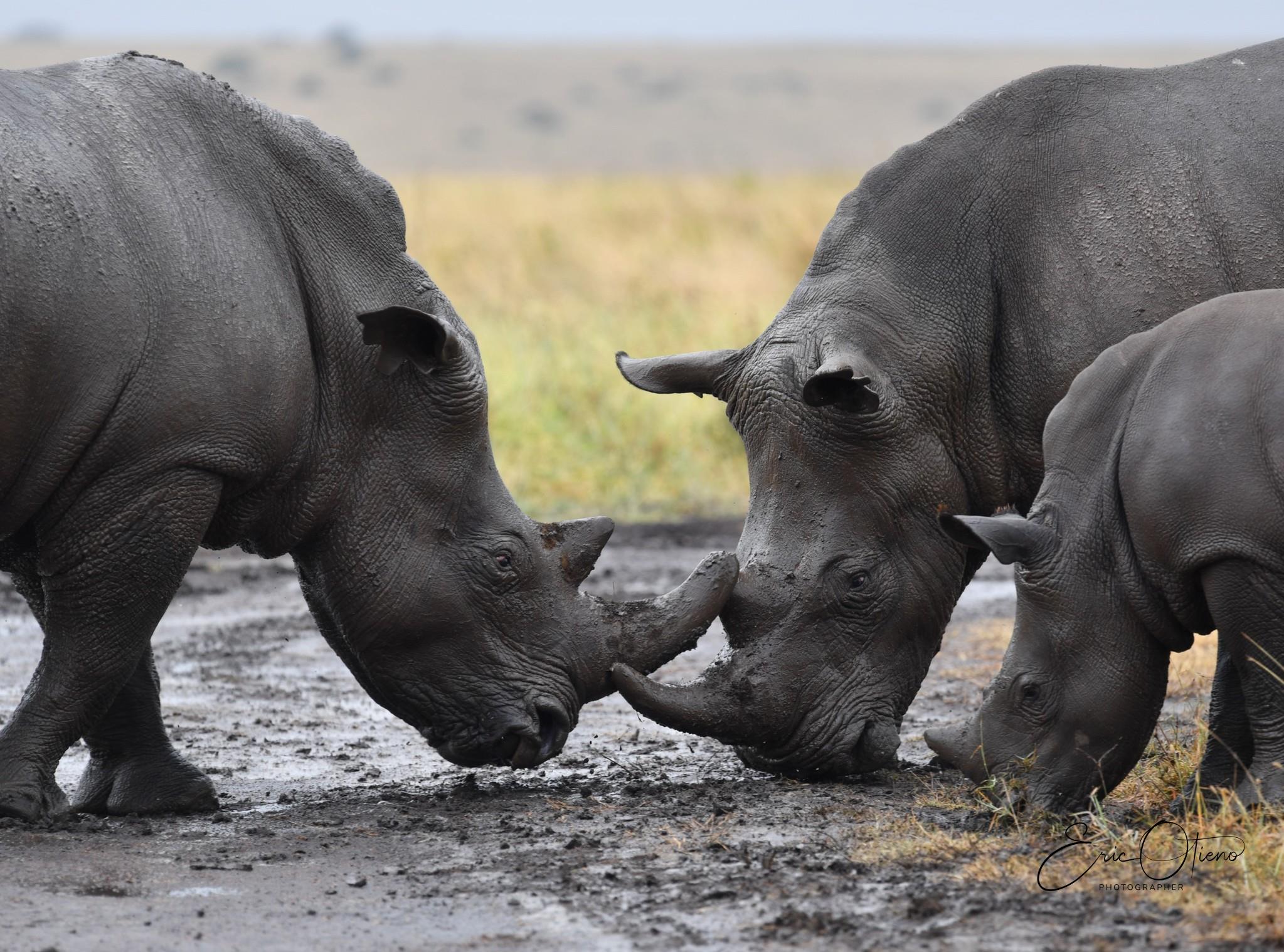
Responsible tourism supports conservation best when visitors follow rules, respect wildlife distance and choose experiences that do not disturb the very place they came to see.
Park rules have an ecological reason
Restrictions on off-road driving, drone use, collecting natural objects and approaching wildlife are not arbitrary inconveniences. They help protect habitat, reduce disturbance and keep visitor pressure manageable.
A guide should never be pushed to break a rule for a closer photograph. The quality of the experience is not measured only in metres from an animal.
Before you book or travel
- Follow park and conservancy rules even when another vehicle appears to ignore them.
- Do not collect natural objects or pressure guides to approach wildlife more closely.
- Ask who operates a conservation activity and what visitor participation actually involves.
- Treat rare species as wild animals, not guaranteed checklist items.
Frequently Asked Questions
Why are off-road and distance rules important?
They reduce habitat damage, crowding and wildlife disturbance. A closer view is not worth undermining the protected area.
Can I take natural souvenirs from a park?
Generally, leave stones, plants, feathers, bones and other natural materials where they are unless an authority explicitly says otherwise.
Do tourism fees support conservation?
In many protected areas, visitor revenue contributes to park or conservancy management, although the exact funding model differs by destination.
Can visitors handle rescued wildlife?
Do not assume so. Ethical conservation experiences are controlled by the responsible authority and animal welfare comes first.
Plan this experience with ESA Safaris
Share your dates, group size and priorities with ESA Safaris. The team can turn the general advice here into an itinerary built around the places, pace and experiences that matter to you.


