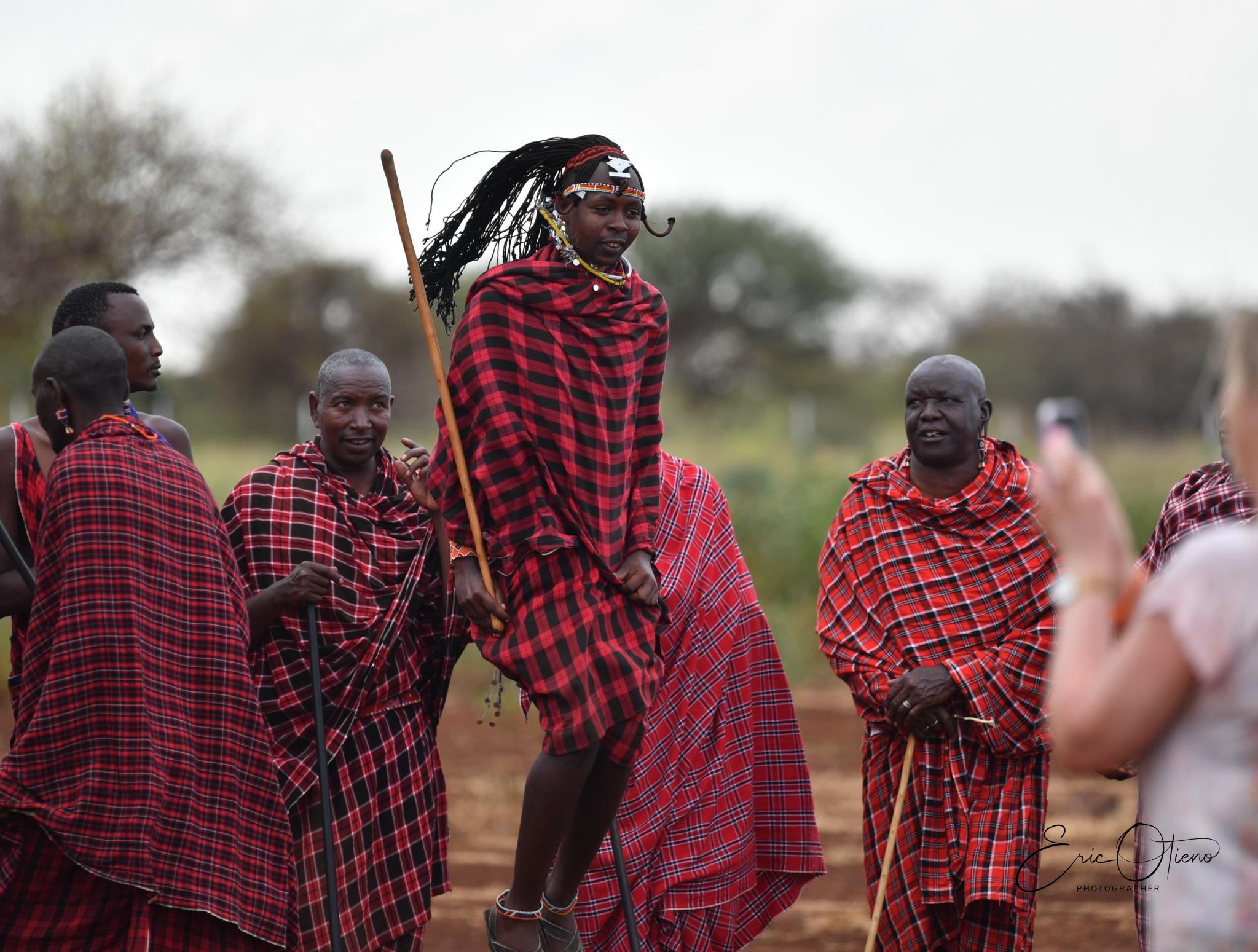
Communities contribute to conservation by keeping land available for wildlife, participating in conservancies, working as rangers and guides, monitoring wildlife and building livelihoods linked to tourism.
How do Maasai communities contribute to conservation?
In many areas, the long-term future of wildlife depends on land outside formal national parks. Community land can provide corridors, dispersal areas and seasonal grazing.
Conservation works best when local people receive fair benefits and have a meaningful voice. Tourism should therefore be judged not only by wildlife sightings but also by how value reaches the people who live with wildlife.
What cultural customs should visitors respect during a visit to Maasai community?
Respect begins with following the host's guidance. Dress modestly where the setting calls for it, ask before photographing people or ceremonies and do not enter restricted spaces simply because another visitor did.
Religious sites may have specific rules on shoes, head coverings, shoulders or photography. Cultural visits can also have expectations around greetings, seating and handling objects.
When unsure, ask. A sincere question is better than assuming that one rule applies to every community, church, mosque, temple or cultural site.
Good sightings begin with respectful distance
An ethical safari does not require crowding an animal. The guide should position the vehicle within the rules of the destination and allow the animal room to move.
Longer lenses, patience and good fieldcraft produce better experiences than pressure for a dangerously close photograph. Guests should follow the guide's instructions when an animal changes direction or approaches the vehicle.
Wildlife does not follow a timetable
Guides improve your chances through experience, tracking and knowledge of the landscape, but wild animals choose where to move. Weather, water, prey, breeding and disturbance all influence a sighting.
The best game drives allow enough time to observe behaviour. A quiet twenty minutes with one animal can reveal more than a hurried search for a longer species list.
Before you book or travel
- Tell ESA Safaris which species or behaviours interest you most, while keeping expectations realistic.
- Ask how much time the itinerary allows in the wildlife area, not only how many destinations it names.
- Pack binoculars if you enjoy observing behaviour rather than relying only on the guide's equipment.
- Follow the driver-guide's decisions on distance, positioning and when to move on.
Frequently Asked Questions
Is an early game drive always better?
Early morning is often productive because temperatures are cooler, but good sightings can happen at any time. The best schedule depends on the destination and conditions.
Can I ask the guide to move closer?
You can explain what you hope to see or photograph, but the driver-guide decides the safe and permitted distance. Wildlife welfare and park rules come first.
Do binoculars make a difference?
Yes. Binoculars help with birds, distant animals and behaviour that is easy to miss with the naked eye, even when you also carry a camera.
Are wildlife sightings guaranteed?
No. A responsible safari operator cannot guarantee a wild animal. Guides improve the chances through local knowledge and fieldcraft, but weather, habitat and animal movement still matter.
Use the details to plan the right route
Share your travel dates and wildlife priorities with ESA Safaris. A well-planned route can improve the quality of your game-viewing time while keeping expectations honest and responsible.