Sustainable safari properties may use solar power, reduce plastic, manage water carefully, employ locally and support conservation or community programmes.
What sustainability practices are followed?
Sustainability should be judged by specific practices rather than a label. Useful indicators include renewable energy, water management, waste reduction, local employment, responsible sourcing and genuine conservation or community partnerships.
Remote lodges face practical limits, so one property may be strong on solar power while another focuses on habitat protection or community-owned tourism.
Ask what the property actually does. ESA Safaris can help compare options, but claims should be specific and verifiable.
What clothes should I pack?
Pack light, practical layers rather than a different outfit for every day. Neutral-coloured, breathable clothing works well for most game drives, with a warm layer for early mornings and a light waterproof jacket when rain is possible.
Comfortable closed shoes are useful for travel days and walks. Heavy hiking boots are unnecessary for a vehicle-based safari unless the itinerary includes serious trekking.
Bring sun protection, insect repellent, personal medication and a small day bag. Laundry is available at many safari properties, which can reduce the amount you need to carry.
Which shoes are best?
Pack light, practical layers rather than a different outfit for every day. Neutral-coloured, breathable clothing works well for most game drives, with a warm layer for early mornings and a light waterproof jacket when rain is possible.
Comfortable closed shoes are useful for travel days and walks. Heavy hiking boots are unnecessary for a vehicle-based safari unless the itinerary includes serious trekking.
Bring sun protection, insect repellent, personal medication and a small day bag. Laundry is available at many safari properties, which can reduce the amount you need to carry.
Ask who manages the experience
Conservation activities should be led by the authorised park, conservancy or specialist organisation. Visitors should not expect to handle wildlife or enter sensitive areas simply because they are interested in conservation.
ESA Safaris can help explain what a visitor can responsibly observe and which experiences require advance permission.
What this means for your itinerary
For clothing, pack breathable neutral layers and a warm layer for early mornings. Comfortable closed shoes are useful for travel and walks.
Conservation is larger than one famous species
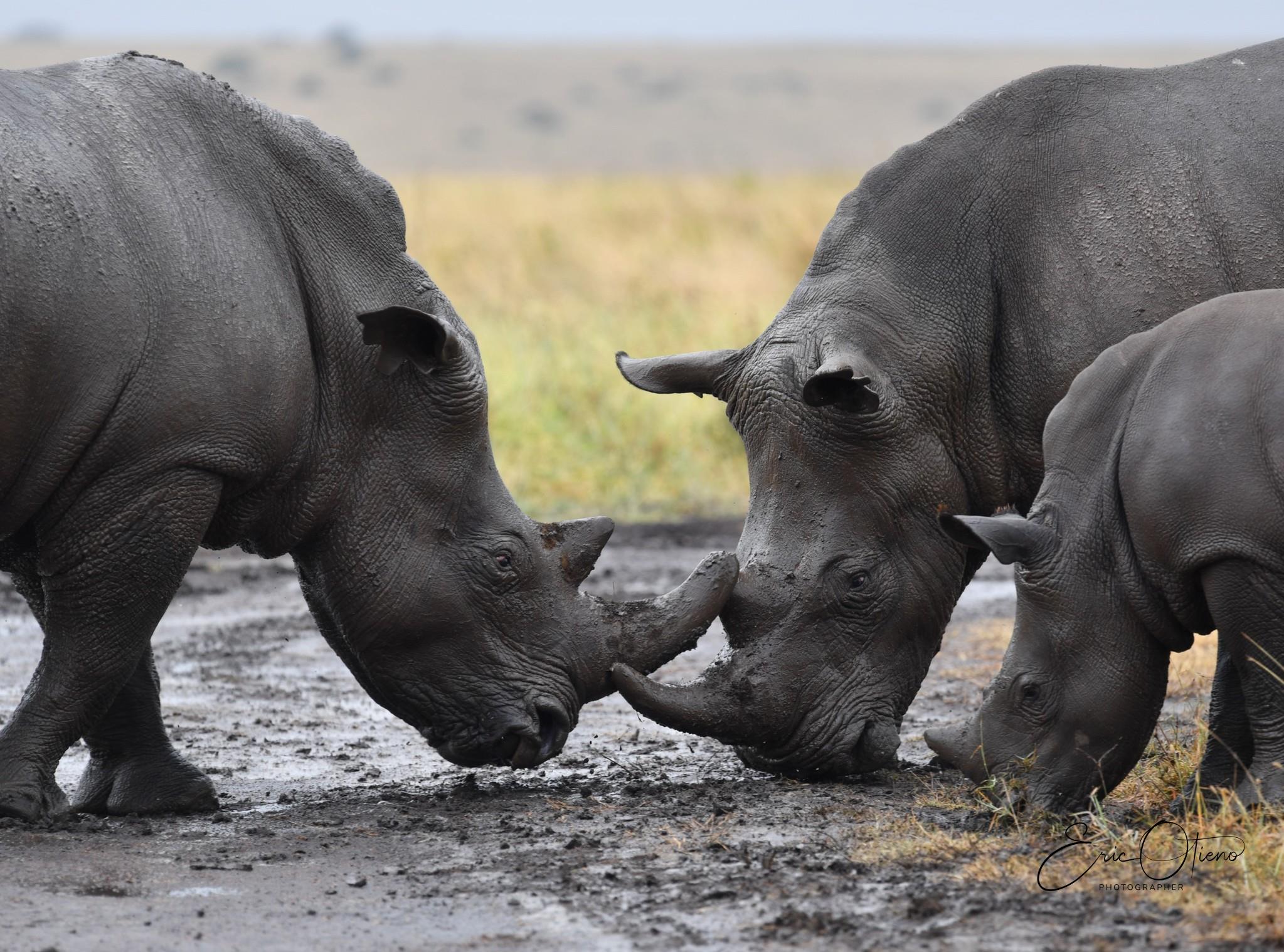
Protected areas depend on habitat, water, wildlife movement, local communities, law enforcement and long-term management. A single animal may attract attention, but the ecosystem works as a whole.
Responsible tourism supports conservation best when visitors follow rules, respect wildlife distance and choose experiences that do not disturb the very place they came to see.
Before you book or travel
- Follow park and conservancy rules even when another vehicle appears to ignore them.
- Do not collect natural objects or pressure guides to approach wildlife more closely.
- Ask who operates a conservation activity and what visitor participation actually involves.
- Treat rare species as wild animals, not guaranteed checklist items.
Frequently Asked Questions
Can I take natural souvenirs from a park?
Generally, leave stones, plants, feathers, bones and other natural materials where they are unless an authority explicitly says otherwise.
Do tourism fees support conservation?
In many protected areas, visitor revenue contributes to park or conservancy management, although the exact funding model differs by destination.
Can visitors handle rescued wildlife?
Do not assume so. Ethical conservation experiences are controlled by the responsible authority and animal welfare comes first.
Why are off-road and distance rules important?
They reduce habitat damage, crowding and wildlife disturbance. A closer view is not worth undermining the protected area.
Plan this experience with ESA Safaris
Use this guide as a starting point, then ask ESA Safaris to confirm the details for your actual dates and itinerary. The final plan should reflect the traveller, the season and the services being booked.