
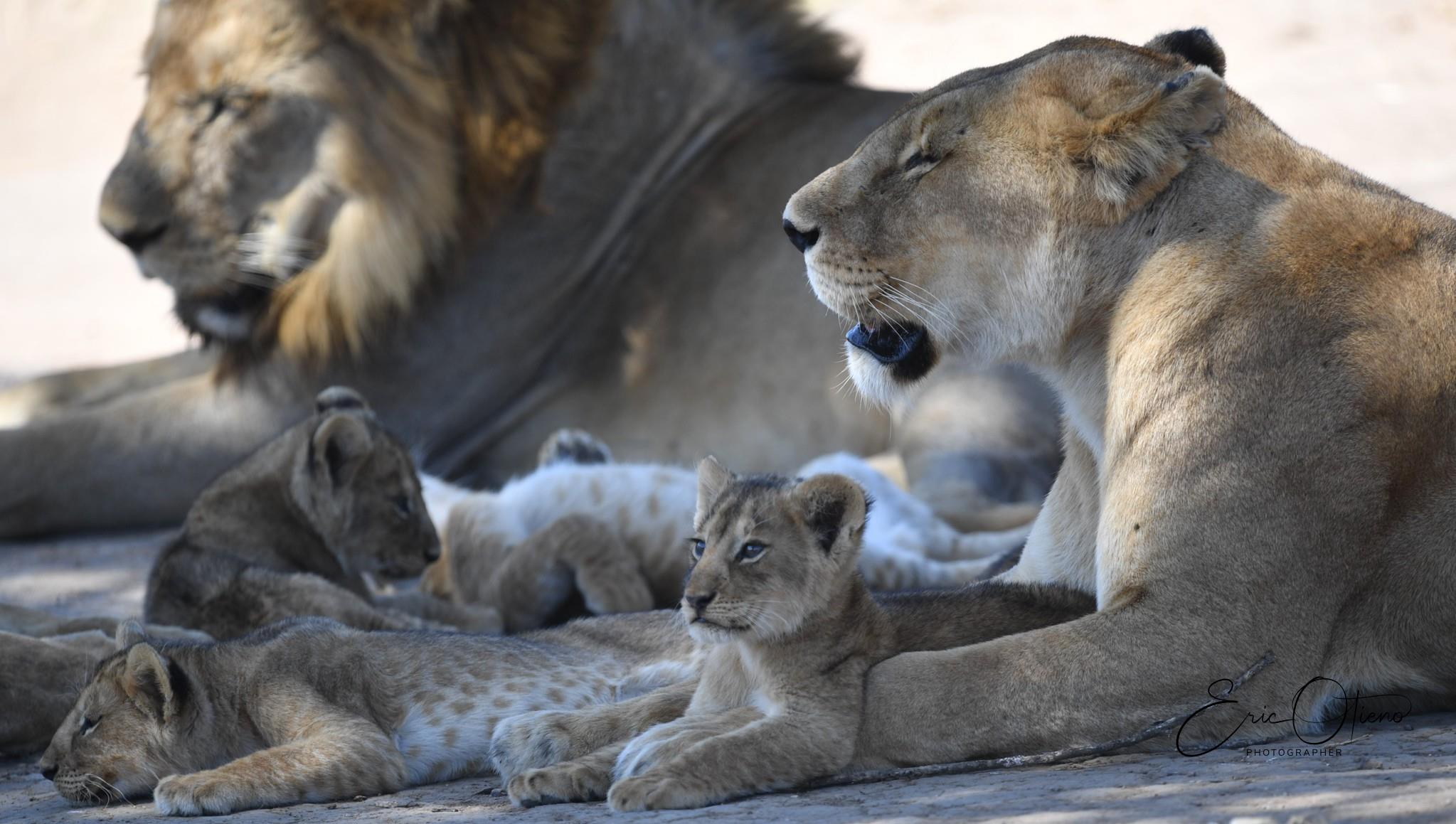
Many predators are most active during cooler hours, often early morning, late afternoon or night.
When are predators most active?
Many predators are especially active around dawn, dusk and at night, when temperatures are cooler and prey may be moving. That is one reason early morning and late afternoon game drives are popular.
There are exceptions. Lions may hunt during the day, cheetahs often use daylight, and individual behaviour changes with weather, prey and disturbance. Good guiding matters more than relying on a simple clock rule.
Habitat often explains what you see
Open grassland, riverine forest, wetlands and dry bush support different animals. That is why the same species may be common in one area and difficult to find in another.
When wildlife is a major priority, tell ESA Safaris which species or behaviours interest you. The route can then be designed around suitable habitats and seasons without promising a sighting that nature cannot guarantee.
What this means for your itinerary
That does not mean midday is empty. Lions may feed or interact at a kill, cheetahs can hunt at different times and leopards may be found resting.
The best strategy is repeated time in the field, not one 'predator hour'.
Good sightings begin with respectful distance
An ethical safari does not require crowding an animal. The guide should position the vehicle within the rules of the destination and allow the animal room to move.
Longer lenses, patience and good fieldcraft produce better experiences than pressure for a dangerously close photograph. Guests should follow the guide's instructions when an animal changes direction or approaches the vehicle.
Before you book or travel
- Tell ESA Safaris which species or behaviours interest you most, while keeping expectations realistic.
- Ask how much time the itinerary allows in the wildlife area, not only how many destinations it names.
- Pack binoculars if you enjoy observing behaviour rather than relying only on the guide's equipment.
- Follow the driver-guide's decisions on distance, positioning and when to move on.
Frequently Asked Questions
Can I ask the guide to move closer?
You can explain what you hope to see or photograph, but the driver-guide decides the safe and permitted distance. Wildlife welfare and park rules come first.
Do binoculars make a difference?
Yes. Binoculars help with birds, distant animals and behaviour that is easy to miss with the naked eye, even when you also carry a camera.
Are wildlife sightings guaranteed?
No. A responsible safari operator cannot guarantee a wild animal. Guides improve the chances through local knowledge and fieldcraft, but weather, habitat and animal movement still matter.
Is an early game drive always better?
Early morning is often productive because temperatures are cooler, but good sightings can happen at any time. The best schedule depends on the destination and conditions.
Plan the details around your trip
If wildlife is the main reason for your trip, tell ESA Safaris which habitats and species interest you most. The team can shape the route around the right regions and enough time in the field, without pretending that wild animals can be scheduled.


