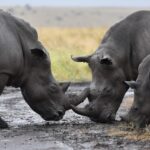
Photography can be restricted at military, government, border, airport and some cultural or religious sites.
Are there places photography is not allowed?
Personal travel photography is usually straightforward in many safari settings, but professional filming, commercial photography, drones and certain protected or sensitive locations can require permits.
Rules are especially important around airports, military or government facilities, some cultural or religious sites and wildlife activities with specific conservation restrictions. Always ask before photographing people.
If you are travelling with a documentary crew or significant professional equipment, tell ESA Safaris during planning. Permits, fixers, filming fees, customs arrangements and production logistics should be handled before arrival, not improvised on location.
Can I bring professional camera equipment?
Yes, travellers can bring professional camera equipment, but logistics matter. Long lenses, multiple bodies, batteries, chargers and supports add weight, especially on light-aircraft sectors with strict luggage limits.
Carry valuable cameras in hand luggage where possible and check airline battery rules. A beanbag is often easier than a full tripod inside a safari vehicle. Dust covers, lens cloths and enough storage are important.
If your kit is large, share the equipment list with ESA Safaris before flights and vehicle allocations are finalised.
Protect the subject before the photograph
No image is worth stressing wildlife, blocking an animal's route or breaking park rules. Flash, drones and professional filming can also be restricted by the destination.
Use the guide's field judgement. A respectful distance and a clean angle usually produce stronger work than forcing a closer position.
What this means for your itinerary
Professional equipment is usually fine for personal safari photography, but heavy gear affects bush-flight baggage and may trigger filming-permit questions for commercial work.
Light and readiness matter more than carrying everything
Early and late light is often attractive, but useful photographs can be made at any time when you adapt to the conditions. Keep batteries charged, memory cards ready and essential equipment protected from dust or spray.
A flexible lens is often more useful than changing lenses repeatedly in a dusty vehicle. Pack around the subjects you genuinely expect to photograph.
Before you book or travel
- Share your camera setup and whether photography is a major purpose of the trip.
- Confirm any drone, filming or professional-equipment rules before travelling.
- Carry spare batteries, memory cards and simple protection from dust, rain or spray.
- Tell the guide when you prefer patience at one sighting rather than frequent stops.
Frequently Asked Questions
How should I protect camera equipment?
Carry a simple cover for dust, rain or spray, keep spare batteries and cards accessible, and avoid unnecessary lens changes in dusty conditions.
Can my guide help with positioning?
Usually yes. A good guide can consider light, background and the animal's likely movement, provided the position is safe, legal and does not disturb wildlife.
Do I need professional camera equipment?
No. Phones and compact cameras can make excellent travel photographs. Serious wildlife photographers may value longer lenses, faster autofocus and extra batteries, but the best equipment is the gear you can use confidently.
Should I use flash around wildlife?
Avoid flash unless the guide and relevant rules clearly allow it. Flash can disturb animals and is prohibited or inappropriate in many sensitive situations.
Plan this experience with ESA Safaris
If photography is a major purpose of the journey, say so at the start of planning. ESA Safaris can help build a route that values light, time and patient observation rather than treating every day as a race.