
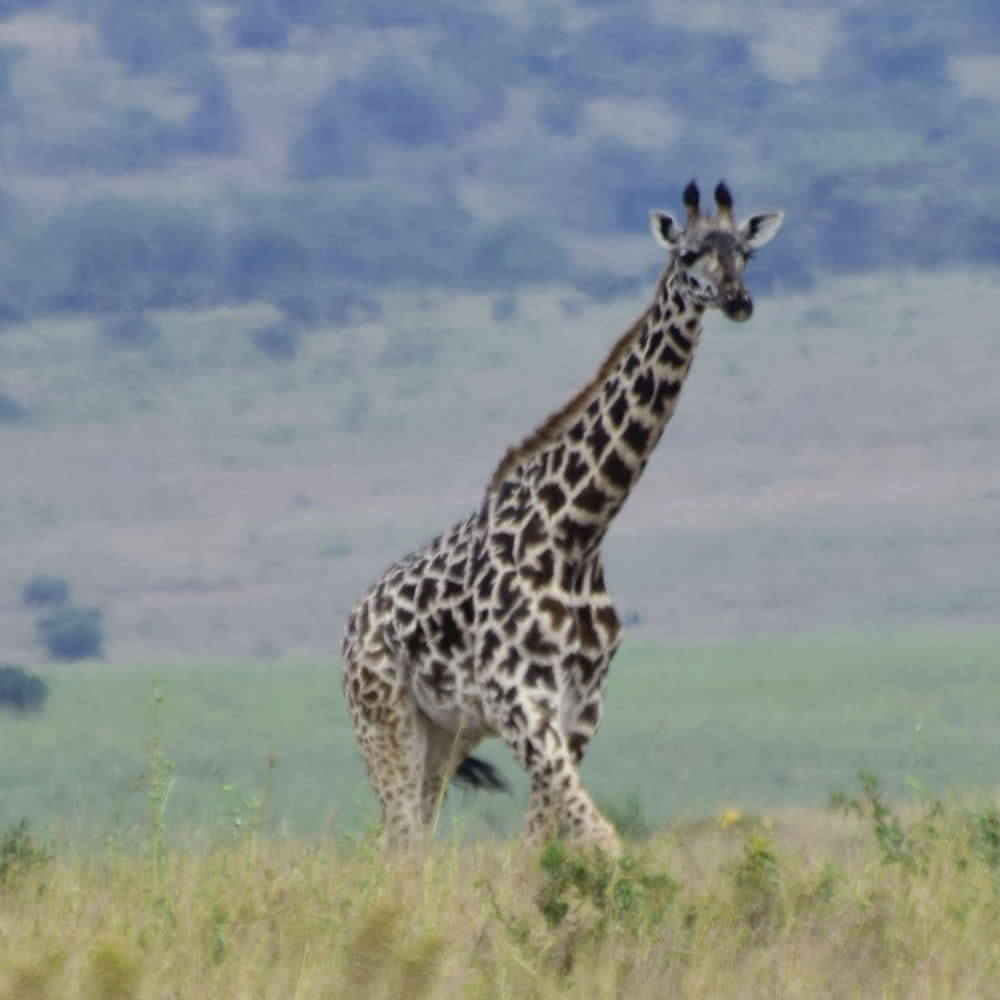
If seeing all of the Big Five is a major goal, it is often better to combine destinations than to demand that one park produce all five on cue. The Maasai Mara is strong for lions, leopards, elephants and buffaloes; Ol Pejeta and Lake Nakuru offer particularly strong rhino conservation contexts; Nairobi National Park can also provide rhino opportunities close to the capital.
Which park am I most likely see the Big Five?
The Big Five are lion, leopard, elephant, rhino and buffalo. Several East African itineraries can provide opportunities to see all five, but no park can guarantee the complete set on a particular visit.
The Maasai Mara is strong for lions, leopards, elephants and buffaloes, while rhino sightings can be less predictable than in dedicated conservation areas. Ol Pejeta and Lake Nakuru add excellent rhino opportunities. Combining destinations often gives a more rounded safari than chasing all five in one place.
ESA Safaris can design a route around your wildlife priorities, but the safari should still leave room for the hundreds of species and behaviours that fall outside the Big Five label.
When is the best season for a safari in Kenya?
The best time depends on the experience you are prioritising. Nairobi can be visited year-round; mornings are often cool, and rain can affect traffic and park tracks more than the overall ability to visit. For many travellers, the mistake is to choose a month from a generic 'best season' list without checking what that month actually means in Nairobi.
Think about wildlife, weather, crowd levels and price together. Drier periods may make some animals easier to locate and roads easier to use, but greener periods can offer fewer vehicles, beautiful landscapes, migrant birds and strong photography. A famous seasonal event can also make one area busier and more expensive.
For an ESA Safaris itinerary, share the dates you can travel and the experiences that matter most. The route can then be designed around seasonal strengths rather than promising that one month is perfect for everyone.
Is air transfer included from Mombasa to Nairobi?
An air transfer between the coast and Nairobi is included only when it appears in the confirmed ESA Safaris itinerary and quotation. Some packages use a domestic flight, while others may price it separately.
Check the inclusions rather than assuming that every safari-and-beach package uses the same transport arrangement. The final itinerary should state the route, baggage conditions and whether airport or airstrip transfers are included.
Why Nairobi changes the answer
East Africa's largest safari gateway and a city where wildlife, museums, restaurants, conservation centres and day trips can be combined before or after a longer safari. The city's unusual appeal is the contrast between urban life and protected wildlife habitat on its southern edge.
Nairobi can be visited year-round; mornings are often cool, and rain can affect traffic and park tracks more than the overall ability to visit.
Use seasons as guidance, not a guarantee
Rainfall and temperature patterns are useful for planning, but weather does not follow an exact calendar. One year can be earlier, later, wetter or drier than another.
Choose the season according to your priorities, then pack for variation. A short rain shower does not automatically ruin a safari, and dry weather does not guarantee every road will be dust-free.
What this means for your itinerary
Kenya is a year-round safari destination, but the experience changes with rain, vegetation, wildlife movement and visitor numbers. Dry periods are popular for access and animal concentration, while greener months can be excellent for birding, photography and fewer vehicles in some areas.
Air transfers from Mombasa to Nairobi are included only when they appear in the confirmed package. Some ESA Safaris itineraries publicly list domestic flights among their inclusions, but every quotation should be read on its own terms.
Before you book or travel
- Choose dates around your main priority rather than a promise of perfect weather.
- Pack layers for temperature changes between early morning and afternoon.
- Keep rain protection accessible during wetter periods.
- Allow flexibility when road, flight or activity conditions change.
Frequently Asked Questions
What clothing works across changing weather?
Pack layers. Early drives can be cool while afternoons become warm, and light rain protection is useful in many seasons.
Can weather change an activity?
Yes. Walking, boating and flying are especially sensitive to conditions. The responsible operator decides whether a change is necessary.
Can I still safari in the rainy season?
Yes. Rain can change roads and daily timing, but it can also bring greener landscapes, birdlife and different photographic conditions.
Does the dry season guarantee better wildlife sightings?
No. It can make animals easier to locate in some habitats, but wildlife remains unpredictable and each ecosystem responds differently.
Plan this experience with ESA Safaris
Share your dates, group size and priorities with ESA Safaris. The team can turn the general advice here into an itinerary built around the places, pace and experiences that matter to you.


