
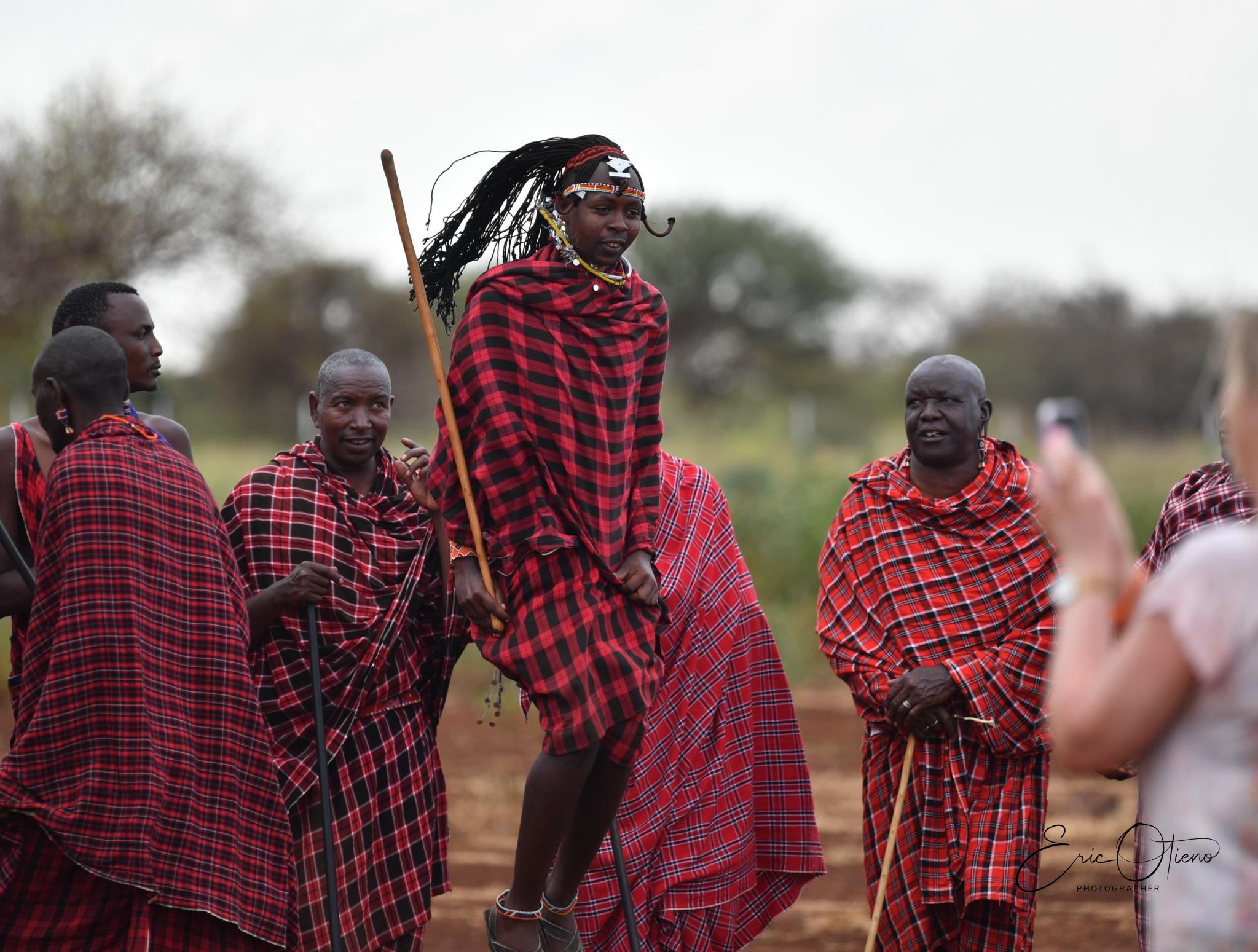
The Maasai are one of East Africa's best-known pastoral peoples, with communities across southern Kenya and northern Tanzania. Their history is closely connected with cattle, mobility, family and age-set systems, but contemporary Maasai life is diverse and constantly changing.
Who are the Maasai people?
Visitors may encounter Maasai people working as guides, conservation professionals, teachers, entrepreneurs, artists, lodge staff and community leaders as well as pastoralists. A cultural visit should make space for that complexity. The purpose is not to search for a 'tribe untouched by modern life' but to meet people who can explain their own traditions, priorities and experiences.
When ESA Safaris includes a community visit, guests should expect to ask before taking photographs, listen to the host's guidance and support locally led enterprises where possible. The most respectful encounters are conversations, not photo opportunities.
How have the Maasai lived alongside wildlife?
Maasai pastoral landscapes have long overlapped with wildlife ranges. Livestock, seasonal movement and open rangeland have shaped a relationship in which people, cattle and wild animals use the same broader environment.
That relationship has never been free of conflict. Predators can kill livestock, wildlife can compete for water and conservation policies can affect land use. Modern conservancies and community-led tourism are among the ways some areas try to create income from keeping land open for wildlife.
A respectful explanation should therefore avoid romanticising coexistence. It is a practical, changing relationship involving livelihoods, land rights, conservation and daily decisions.
Can visitors learn about Maasai traditions?
Yes, visitors can learn about Maasai traditions through well-organised community visits and conversations with local hosts. The quality of the experience depends on who controls the visit and how directly the community benefits.
Guests may learn about language, beadwork, pastoral life, family structures, food, ceremony and the realities of contemporary life. Traditions should be explained by the people who live them.
Ask before taking photographs, avoid treating people as props and buy crafts directly when possible. A good cultural visit leaves room for questions in both directions.
Wildlife does not follow a timetable
Guides improve your chances through experience, tracking and knowledge of the landscape, but wild animals choose where to move. Weather, water, prey, breeding and disturbance all influence a sighting.
The best game drives allow enough time to observe behaviour. A quiet twenty minutes with one animal can reveal more than a hurried search for a longer species list.
Before you book or travel
- Tell ESA Safaris which species or behaviours interest you most, while keeping expectations realistic.
- Ask how much time the itinerary allows in the wildlife area, not only how many destinations it names.
- Pack binoculars if you enjoy observing behaviour rather than relying only on the guide's equipment.
- Follow the driver-guide's decisions on distance, positioning and when to move on.
Frequently Asked Questions
Do binoculars make a difference?
Yes. Binoculars help with birds, distant animals and behaviour that is easy to miss with the naked eye, even when you also carry a camera.
Are wildlife sightings guaranteed?
No. A responsible safari operator cannot guarantee a wild animal. Guides improve the chances through local knowledge and fieldcraft, but weather, habitat and animal movement still matter.
Is an early game drive always better?
Early morning is often productive because temperatures are cooler, but good sightings can happen at any time. The best schedule depends on the destination and conditions.
Can I ask the guide to move closer?
You can explain what you hope to see or photograph, but the driver-guide decides the safe and permitted distance. Wildlife welfare and park rules come first.
Plan this experience with ESA Safaris
Share your travel dates and wildlife priorities with ESA Safaris. A well-planned route can improve the quality of your game-viewing time while keeping expectations honest and responsible.


