
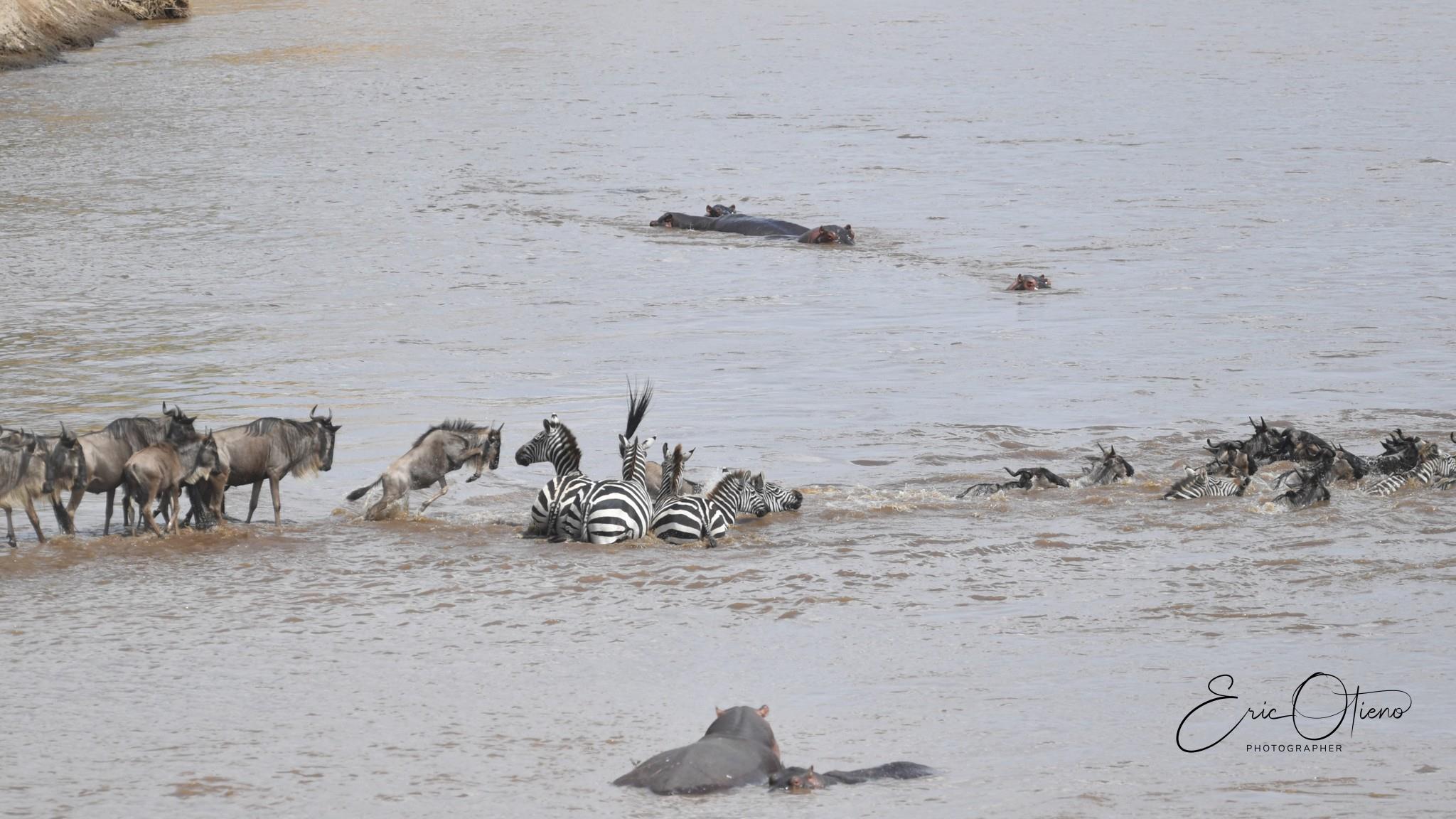
The best-known East African calving season is associated with the southern Serengeti and Ndutu plains early in the year, when large numbers of wildebeest give birth.
When is the calving season?
The best-known calving period in the Serengeti-Mara ecosystem is generally associated with the southern Serengeti and Ndutu area during the early months of the year, with timing influenced by rainfall and grazing conditions.
Calving is a natural cycle, not a fixed daily performance. If it is a priority, plan the itinerary around the appropriate region and season, while allowing for year-to-year variation.
When is the migration season?
The East African calving season most travellers mean is the period when large numbers of wildebeest give birth on the southern Serengeti and Ndutu plains, generally during the early part of the year. The exact timing is linked to rainfall and grazing rather than a date guaranteed by the calendar.
This season can be extraordinary because thousands of calves appear over a relatively concentrated period, drawing predators and creating intense wildlife behaviour. It can also be busy in popular areas, and rain can make some tracks muddy.
A calving-season itinerary should place the traveller in the right part of the ecosystem and allow enough time for wildlife rather than treating one afternoon as a guaranteed event.
Is it worth visiting during the green season?
The migration is a continuous annual movement through the Serengeti-Mara ecosystem, not a one-week event. Broadly, the herds move in response to rainfall, water and grazing: calving is associated with the southern plains early in the year; movement generally progresses north and west through the year; and large herds may reach the northern Serengeti and Maasai Mara during the middle and later part of the year.
These are patterns, not appointments. River crossings cannot be scheduled, and herds can move differently from one year to the next. A strong migration safari is therefore built around the right region for the season, enough nights and realistic expectations.
Use seasons as guidance, not a guarantee
Rainfall and temperature patterns are useful for planning, but weather does not follow an exact calendar. One year can be earlier, later, wetter or drier than another.
Choose the season according to your priorities, then pack for variation. A short rain shower does not automatically ruin a safari, and dry weather does not guarantee every road will be dust-free.
What this means for your itinerary
Migration is a continuous cycle, so the best region changes through the year. The green season can be excellent because landscapes are lush, birding is strong and animal behaviour can be intense.
Plan around the phase of the ecosystem you want rather than treating the migration as one event.
Before you book or travel
- Choose dates around your main priority rather than a promise of perfect weather.
- Pack layers for temperature changes between early morning and afternoon.
- Keep rain protection accessible during wetter periods.
- Allow flexibility when road, flight or activity conditions change.
Frequently Asked Questions
Can weather change an activity?
Yes. Walking, boating and flying are especially sensitive to conditions. The responsible operator decides whether a change is necessary.
Can I still safari in the rainy season?
Yes. Rain can change roads and daily timing, but it can also bring greener landscapes, birdlife and different photographic conditions.
Does the dry season guarantee better wildlife sightings?
No. It can make animals easier to locate in some habitats, but wildlife remains unpredictable and each ecosystem responds differently.
What clothing works across changing weather?
Pack layers. Early drives can be cool while afternoons become warm, and light rain protection is useful in many seasons.
Make the itinerary fit the traveller
Share your dates, group size and priorities with ESA Safaris. The team can turn the general advice here into an itinerary built around the places, pace and experiences that matter to you.


