
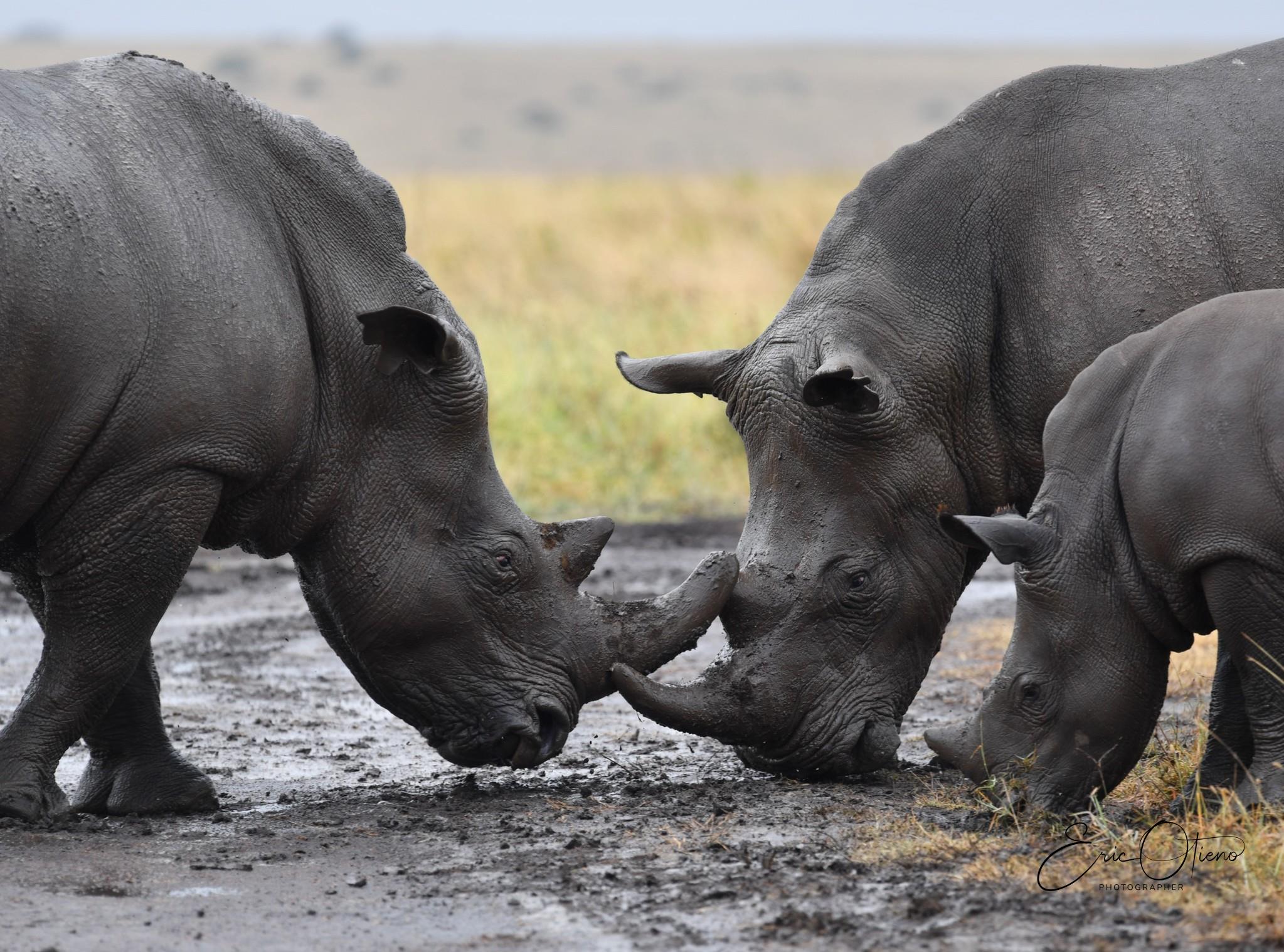
Wildlife faces different pressures across Africa, including habitat loss, fragmentation, poaching, conflict with people and climate-related stress.
What conservation challenges affect wildlife?
Wildlife conservation is not one programme. It can involve anti-poaching, habitat protection, community partnerships, research, veterinary response, conflict mitigation and the creation of wildlife corridors.
The major challenges vary by ecosystem. Habitat loss and fragmentation can be as serious as direct poaching. Climate variability, invasive species, human-wildlife conflict and pressure on water also matter.
Tourism contributes when park fees and visitor spending support protected areas and local livelihoods, but responsible behaviour is part of the equation. Respect rules, avoid crowding animals and choose experiences that do not depend on disturbance.
Which endangered species live here?
The wider East African region supports many species of conservation concern, but the exact list depends on the ecosystem. Rhinos, African wild dogs, Grevy's zebras, vultures, mountain gorillas and other species face different levels of threat across the region.
Conservation status can change, and a species may be globally threatened even when it is locally visible. Seeing an animal regularly in one reserve does not mean the wider population is secure. A knowledgeable guide can explain the local context without turning endangered animals into checklist trophies.
Are there wildlife research projects?
Wildlife research can use GPS collars, camera traps, identification photographs, ranger observations, aerial surveys and long-term population monitoring. The data helps managers understand movement, mortality, habitat use and conflict.
Some conservancies and lodges offer guest-facing citizen-science experiences, but availability varies and should be confirmed. Participation may involve recording sightings, identifying individuals or supporting a specific research programme.
A genuine citizen-science activity should contribute to a real methodology, not simply use the label for entertainment.
Conservation is larger than one famous species
Protected areas depend on habitat, water, wildlife movement, local communities, law enforcement and long-term management. A single animal may attract attention, but the ecosystem works as a whole.
Responsible tourism supports conservation best when visitors follow rules, respect wildlife distance and choose experiences that do not disturb the very place they came to see.
What this means for your itinerary
Endangered species vary by ecosystem, and research projects may use collars, camera traps, surveys and identification databases.
Conservation is strongest when protected areas, science and neighbouring communities work together.
Before you book or travel
- Follow park and conservancy rules even when another vehicle appears to ignore them.
- Do not collect natural objects or pressure guides to approach wildlife more closely.
- Ask who operates a conservation activity and what visitor participation actually involves.
- Treat rare species as wild animals, not guaranteed checklist items.
Frequently Asked Questions
Can I take natural souvenirs from a park?
Generally, leave stones, plants, feathers, bones and other natural materials where they are unless an authority explicitly says otherwise.
Do tourism fees support conservation?
In many protected areas, visitor revenue contributes to park or conservancy management, although the exact funding model differs by destination.
Can visitors handle rescued wildlife?
Do not assume so. Ethical conservation experiences are controlled by the responsible authority and animal welfare comes first.
Why are off-road and distance rules important?
They reduce habitat damage, crowding and wildlife disturbance. A closer view is not worth undermining the protected area.
Plan this experience with ESA Safaris
Share your dates, group size and priorities with ESA Safaris. The team can turn the general advice here into an itinerary built around the places, pace and experiences that matter to you.


