
Small aircraft are well suited to safari travel because they can use shorter bush airstrips and connect remote protected areas without the infrastructure required by a large commercial jet.
Why is this aircraft suitable for bush flying?
They also reduce long road transfers. A route that might take most of a day by road can sometimes be linked efficiently by air, although flights may include stops.
Aircraft choice is an operational decision based on runway length, payload, weather and the airline's fleet. 'Small' does not mean informal; commercial bush flying is governed by aviation procedures and pilot judgement.
Why are airstrips located inside the reserve?
Airstrips inside or close to reserves reduce transfer time between the aircraft and the safari area. That makes fly-in itineraries practical and limits the need for long road access into remote regions.
Because many bush airstrips sit in natural habitat, wildlife can be nearby. Ground teams and pilots therefore monitor the runway before operations.
The airstrip is still an aviation facility, so guests should remain with their guide and follow instructions after landing.
How long are the runways?
Bush-airstrip length varies widely. The runway is designed and maintained for the aircraft types authorised to use it, and the pilot considers runway condition, weather, elevation and payload.
Travellers do not need to judge whether a strip 'looks long enough'. That is an aviation decision handled by the operator.
If an airstrip becomes unsuitable, the airline may delay, divert or use an alternative according to its procedures.
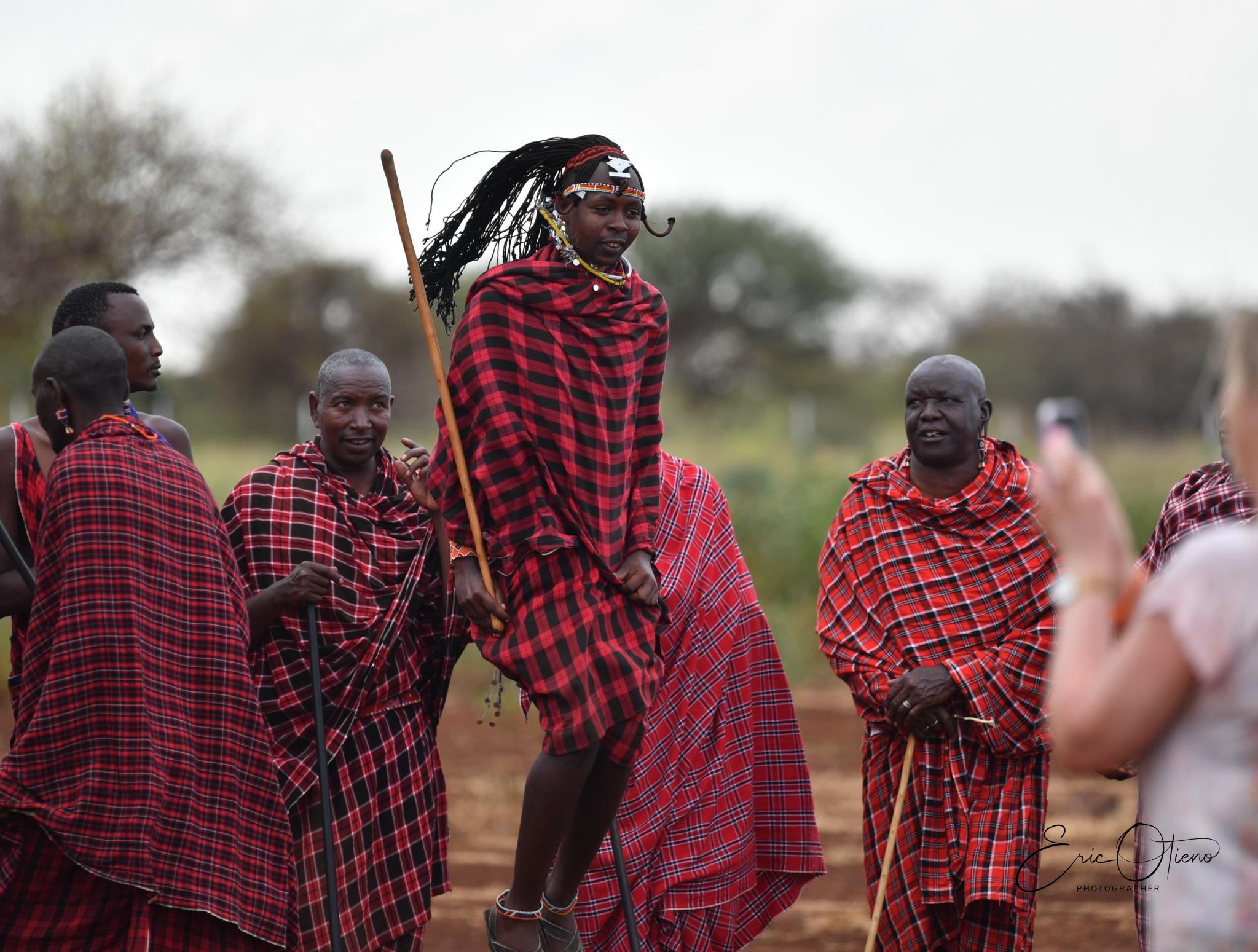
Consent matters in cultural photography
A beautiful photograph does not remove the need to ask permission. Some ceremonies, religious spaces and private moments may not be appropriate to photograph.
Your guide can help with introductions and local etiquette. When buying crafts, ask about the maker and buy through fair, transparent channels where possible.
Context makes a cultural stop more meaningful
A short visit becomes more useful when travellers understand why a place, practice or object matters. Ask questions respectfully and allow hosts to explain their own experience.
ESA Safaris can help place cultural activities into the itinerary without turning them into rushed photo stops.
Before you book or travel
- Ask before photographing people or entering private spaces.
- Follow local advice on dress and behaviour at religious or community sites.
- Choose hosted visits rather than arriving in communities unannounced.
- Buy crafts through transparent channels when supporting local makers is important to you.
Frequently Asked Questions
What should I wear?
Follow local guidance and dress more conservatively at religious or community sites. Your guide can advise for the places included in your itinerary.
Is bargaining always expected?
No. It depends on the market and seller. Bargain respectfully where it is customary and avoid treating every purchase as a contest.
How can I support local communities responsibly?
Use hosted experiences, buy directly from makers where possible and follow transparent arrangements rather than handing out money or gifts without context.
Can I take photographs during a cultural visit?
Ask first. Permission can vary by person, place and activity, and some religious or private moments should not be photographed.
Plan this experience with ESA Safaris
Tell ESA Safaris what you want the trip to feel like, not only where you want to go. That makes it easier to design a route with the right pace, activities and practical arrangements.


