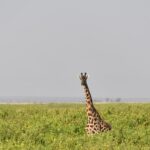
Mosquitoes often increase in warm, wet conditions, but risk varies by altitude and destination.
When are mosquitoes most common?
Mosquito activity often increases in warm, wet conditions and around standing water, but risk varies by destination, altitude and local season. A dry-looking safari area can still have mosquitoes, and a highland stop may have a different risk profile from the coast.
Use a layered approach: repellent, long sleeves and trousers in the evening, closed windows or screens where available, and mosquito nets where provided. If your itinerary enters a malaria-risk area, seek personalised advice from a travel-health professional before departure.
Do not wait until you see mosquitoes to start protecting yourself. Bite prevention works best as a routine part of the trip.
How does weather affect game drives?
Weather changes the way a game drive unfolds. Rain can make tracks muddy, reduce dust and spread wildlife across a wider area. Heat can push animals into shade, while cool mornings may increase movement.
Guides adapt by changing route, timing and expectations. A storm may produce a temporary pause rather than cancelling an entire day.
Some of the strongest safari photographs come from unusual weather, so keep a waterproof layer and protect camera equipment instead of assuming every cloud is bad news.
Weather changes the experience, not only the temperature
Rain can affect road conditions, vegetation, birdlife and where animals find water. Dry periods can improve visibility in some habitats while creating more dust.
Tell ESA Safaris what matters most—photography, migration, birding, beach time or lower visitor numbers—so season can be discussed in relation to the experience.
What this means for your itinerary
Weather also affects game drives: rain changes roads and wildlife distribution; heat pushes animals toward shade; cool mornings can increase movement.
Use bite prevention and let the guide adjust the route to actual conditions.
Use seasons as guidance, not a guarantee
Rainfall and temperature patterns are useful for planning, but weather does not follow an exact calendar. One year can be earlier, later, wetter or drier than another.
Choose the season according to your priorities, then pack for variation. A short rain shower does not automatically ruin a safari, and dry weather does not guarantee every road will be dust-free.
Before you book or travel
- Choose dates around your main priority rather than a promise of perfect weather.
- Pack layers for temperature changes between early morning and afternoon.
- Keep rain protection accessible during wetter periods.
- Allow flexibility when road, flight or activity conditions change.
Frequently Asked Questions
Can weather change an activity?
Yes. Walking, boating and flying are especially sensitive to conditions. The responsible operator decides whether a change is necessary.
Can I still safari in the rainy season?
Yes. Rain can change roads and daily timing, but it can also bring greener landscapes, birdlife and different photographic conditions.
Does the dry season guarantee better wildlife sightings?
No. It can make animals easier to locate in some habitats, but wildlife remains unpredictable and each ecosystem responds differently.
What clothing works across changing weather?
Pack layers. Early drives can be cool while afternoons become warm, and light rain protection is useful in many seasons.
Turn the answer into a workable itinerary
Use this guide as a starting point, then ask ESA Safaris to confirm the details for your actual dates and itinerary. The final plan should reflect the traveller, the season and the services being booked.